Trusted Canadian Immigration Lawyers
Millions of people around the world may already be Canadian citizens without knowing it. If you were born outside Canada but have a Canadian parent or ancestor, you could already have citizenship by descent. For many eligible individuals, the process is not about becoming Canadian but proving a citizenship status they already possess.
Since the introduction of Bill C-3, interest in citizenship by descent has grown significantly. This guide explains how the law has changed, who may qualify, why so many eligible people have never claimed their citizenship, and the key steps involved in confirming your status.
At Ansari Immigration Law, our legal team helps clients trace their Canadian lineage, assess eligibility, and navigate the citizenship by descent process with confidence.
Bill C-3 introduced one of the most significant changes to Canadian citizenship by descent in decades. The legislation expanded eligibility by removing long-standing restrictions on how citizenship can be passed through generations.
Although thousands of citizenship certificates have already been issued under Bill C-3, experts believe the number of eligible individuals is far higher because many people are unaware of their Canadian ancestry.
|
Find Out If You Qualify Under Bill C-3 A professional eligibility review can help determine whether your Canadian ancestry supports a citizenship by descent claim. Check Your Eligibility |
Certain family names, family stories, and ancestral connections can indicate that you may have Canadian roots. While none of these signs prove eligibility on their own, they can help you decide whether it’s worth researching your family history further.
|
Potential Clue |
What It May Indicate |
|
French-Canadian surnames |
Surnames such as Tremblay, Ouellet, Roy, and Desjardins are strongly associated with Canadian ancestry. |
|
Anglicised family names |
Names like White, King, Wood, and Carter may have originated from French-Canadian ancestors whose surnames changed over time. |
|
Dit’ family names |
Many French-Canadian families used dit names, which can hide the original surname and make family history more difficult to trace. |
|
Family stories |
Relatives mentioning ancestors from Quebec or other parts of Canada can provide valuable starting points for research. |
|
Where your family lived |
Long-standing family ties to New England, Michigan, Minnesota, or Wisconsin may point to Canadian ancestry because of historic migration patterns. |
Important: These clues alone do not confirm Canadian citizenship by descent. To establish eligibility, you must trace each generation with certified records issued by the appropriate government authority.
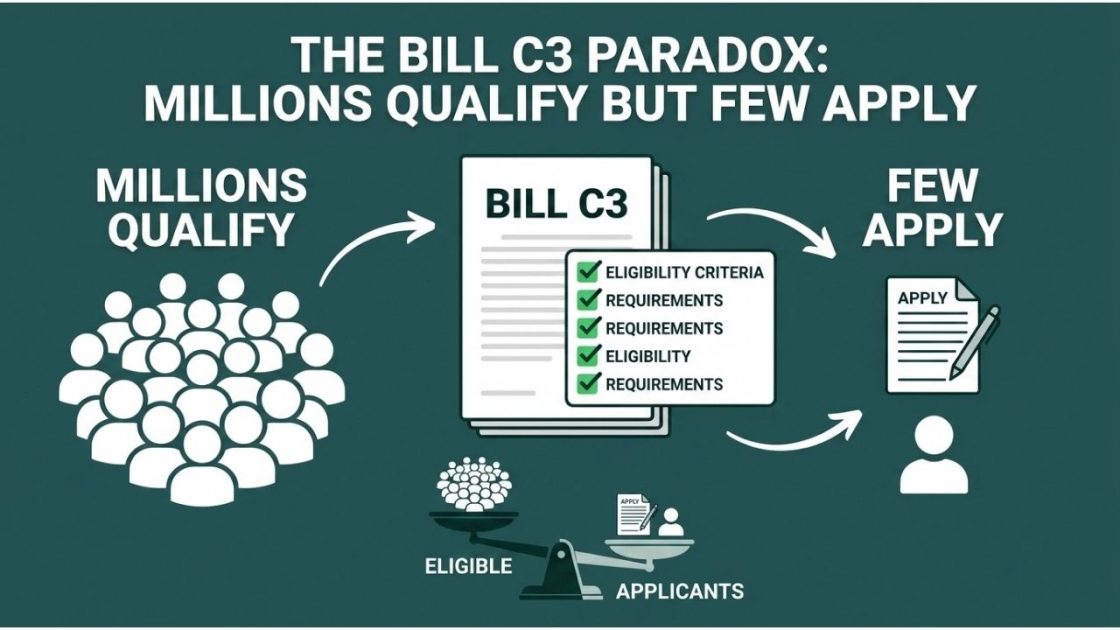
Although interest in Canadian citizenship by descent is rising, most eligible individuals never submit an application. The biggest challenge is not the paperwork—it’s simply not knowing they already qualify.
Once eligibility is confirmed, applicants are not applying to become Canadian citizens. Instead, they apply for proof of citizenship by submitting:
If your family history includes a Canadian ancestor, now is the time to explore it. A familiar surname, an old family story, or relatives who once lived in Canada could all point to an existing citizenship claim.
Even if your ancestry spans multiple generations, you may still qualify under Bill C-3. While surname changes, missing records, and incomplete family histories can make the process more challenging, they do not automatically prevent eligibility. With the right research and supporting documentation, you may be able to establish your Canadian citizenship by descent.
If you believe you may qualify for Canadian citizenship by descent, getting the right legal guidance early can save time and prevent costly mistakes. Canadian Lawyer Yameena Ansari and her team help identify eligible ancestors and obtain certified supporting records. Also, prepare complete Bill C-3 applications that meet IRCC’s documentary requirements.
From ancestry research to final submission, we provide strategic support at every stage of the process. Contact us and get transparent information about the claim of your Canadian Citizenship.
No! If you qualify, you are already considered a Canadian citizen by operation of law. You are not applying to become Canadian, you are applying for a certificate that officially proves the citizenship you already hold.
You generally need certified birth, marriage, and citizenship records for every generation linking you to your Canadian ancestor. Where original records do not exist, alternative evidence like census entries or baptismal records may be accepted.
Processing times currently range from about 10 to 18 months, depending on the complexity of your file and current backlog levels. Well documented applications with complete records from the original source tend to move faster.
Start by researching family history through provincial archives and vital statistics offices. A surname alone is not proof, but it is a strong lead. An immigration lawyer can help confirm the connection and build a properly sourced application.
Bill C-3 has expanded Canadian citizenship by descent to millions of people who may already qualify without realising it. For many, the biggest obstacle is not eligibility but recognising that a parent, grandparent, or more distant ancestor could already establish a valid citizenship claim.
A family surname, an old photograph, or a story passed down through generations could be the first clue to your Canadian ancestry. However, confirming eligibility requires careful research and certified records that connect each generation in your family line.
If you believe your family history includes Canadian roots, it is worth exploring your eligibility. Understanding the current rules, gathering the right documentation, and verifying your ancestry can help you determine whether you already hold Canadian citizenship by descent.
Read Next: 30+ Visa-Free Countries for Canadian PR Holders in 2026