Trusted Canadian Immigration Lawyers
Healthcare professionals considering Canada in 2026 have several immigration options, from Express Entry category-based draws to provincial nominations and employer-supported work permits. The right route depends on your occupation, work experience, qualifications and plans for practising in Canada.
Ansari Immigration Law helps applicants understand Canadian immigration pathways, eligibility requirements and application procedures. Whether you are a doctor, nurse, pharmacist or allied health professional, you need to identify the route that matches your circumstances.
This guide explains the main healthcare worker immigration routes in 2026, recent Express Entry invitations, professional licensing requirements and practical steps to prepare your application.
Canada offers several routes for healthcare professionals who want to live and work in the country. Each has different eligibility criteria, application procedures and selection requirements. The main options include:
You should compare these options before choosing a route. Eligibility for one pathway does not automatically qualify you for another.
Express Entry manages applications through three federal programmes: the Federal Skilled Worker Program (FSWP), Canadian Experience Class (CEC) and Federal Skilled Trades Program (FSTP).
Category-based selection allows Immigration, Refugees and Citizenship Canada (IRCC) to invite eligible candidates in specific occupations. Healthcare professionals must still qualify for an underlying Express Entry programme before receiving an invitation through the healthcare category.
As of 27 October 2026, IRCC’s published invitation records show three healthcare and social services rounds during 2026.
|
Draw date |
Invitations issued |
Lowest CRS score |
|
20 February 2026 |
4,000 |
467 |
|
25 June 2026 |
4,000 |
475 |
|
4 September 2026 |
3,500 |
475 |
|
Total |
11,500 |
— |
The September round issued 3,500 invitations to apply, with a minimum Comprehensive Ranking System (CRS) score of 475. These figures show previous selection results, not a guaranteed score for future rounds. You can check the official Express Entry invitation records for new announcements and draw results.
Canada also introduced a separate Express Entry category for physicians with Canadian work experience.
|
Draw Date |
Invitations issued |
Lowest CRS score |
|
19 February 2026 |
391 |
169 |
|
24 June 2026 |
271 |
223 |
|
3 September 2026 |
229 |
198 |
|
Total |
891 |
— |
The two healthcare-related categories have issued 12,391 invitations combined across these six rounds in 2026. The physician category is narrower than the general healthcare and social services category. It requires qualifying medical doctor work experience gained in Canada.
A doctor working overseas cannot qualify for this specific category solely through foreign experience. IRCC decides when to hold future rounds and which candidates to invite. You should monitor official updates rather than rely on predictions about the next draw.
The healthcare and social services category covers more than doctors and nurses. Its eligible occupations include professionals, technicians and certain social services workers. Examples include:
The full list includes specific National Occupational Classification (NOC) codes. Check IRCC’s healthcare and social services category requirements to confirm your occupation.
For the healthcare and social services category, you must have:
Your experience does not need to be continuous. You must also qualify for one of the three programmes managed through Express Entry and meet the applicable selection requirements.
The separate physician category requires at least 12 months of qualifying medical doctor work experience in Canada during the previous three years. Meeting the occupational experience requirement does not guarantee an invitation. Your underlying programme eligibility and CRS ranking still matter.
Follow these steps to prepare your application.
Step 1: Identify your immigration programme.
Check whether you qualify for the Federal Skilled Worker Program, Canadian Experience Class or Federal Skilled Trades Program. Review the programme requirements before creating your profile.
Step 2: Confirm your NOC code and work experience.
Match your actual job duties to the relevant NOC description. Your job title alone does not establish eligibility. Keep employment letters, contracts, payslips and other records that support your claimed experience.
Step 3: Complete your language test and education assessment.
Take an IRCC-approved language test where required. If your education was completed outside Canada, obtain an Educational Credential Assessment (ECA) when your chosen programme requires one.
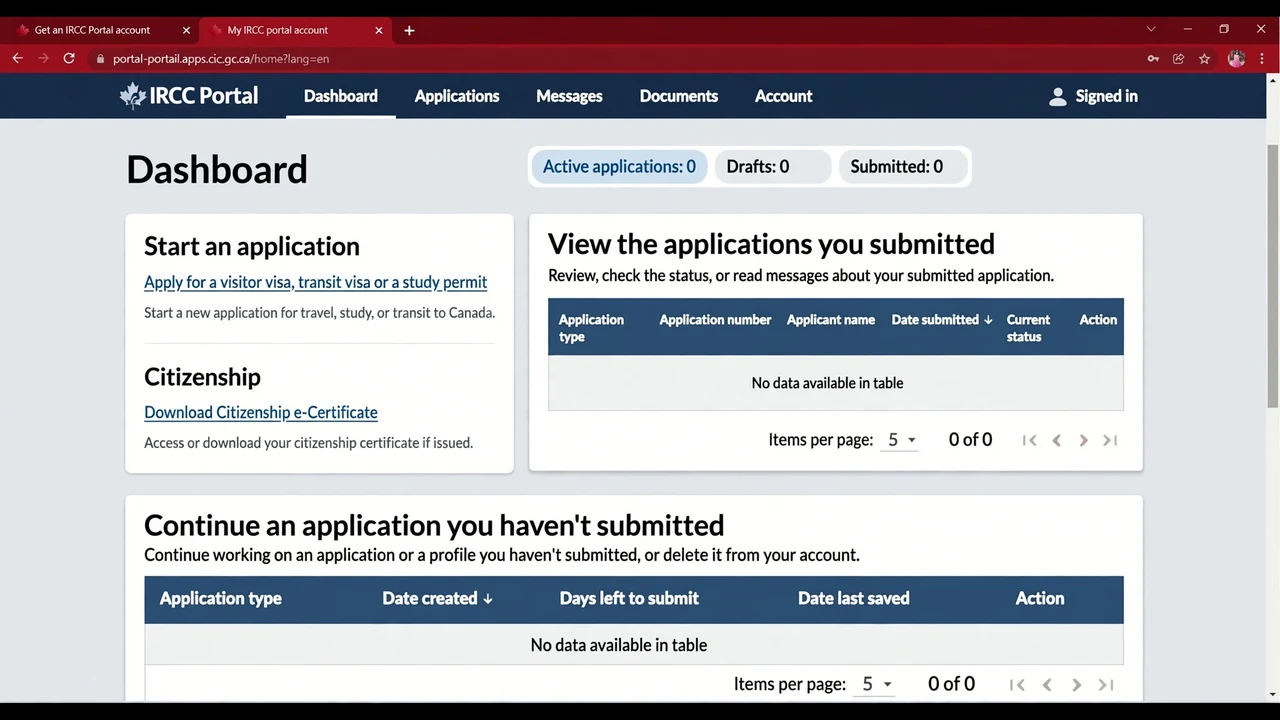
Step 4: Create your Express Entry profile.
Submit your profile through IRCC’s online system if eligible. Your profile enters the pool and receives a CRS score based on applicable factors.
Step 5: Monitor invitations and maintain your information.
Check your profile, keep your details current and review category-based selection announcements. An eligible healthcare professional may qualify for a category draw, but an invitation is not automatic.
Step 6: Submit your permanent residence application.
If IRCC issues an Invitation to Apply (ITA), follow the instructions for the applicable programme. You generally have 60 days to submit your application with the required supporting documents.
Ansari Immigration Law’s Express Entry guidance can help applicants assess programme requirements, review their profiles and prepare their permanent residence applications.
Express Entry is not the only way to pursue Canadian immigration as a healthcare professional. Your occupation, job offer and intended destination may make another route more suitable.
Canadian provinces and territories operate nomination streams to address regional labour needs. Some streams target healthcare professionals or require a qualifying job offer. To pursue this route, you should:
An Express Entry-linked provincial nomination adds 600 CRS points. A nomination through a non-Express Entry stream follows a different permanent residence process. Review the official Provincial Nominee Program requirements before applying.
Canada has also reserved up to 5,000 federal immigration spaces through the PNP for licensed doctors with qualifying job offers or letters of support.
Eligible nominated doctors may receive expedited work permit processing in 14 days, subject to the relevant requirements. This measure is intended to help physicians work while their permanent residence applications are processed.
The Atlantic Immigration Program and participating Rural Community Immigration Pilot and Francophone Community Immigration Pilot routes may be relevant to some healthcare workers.
Eligibility depends on the programme, participating location, designated employer requirements and the applicant’s qualifications. A healthcare job offer does not automatically qualify someone for regional permanent residence.
A Canadian employer may support a temporary work permit application for an eligible healthcare professional. Depending on the situation, the employer may need a Labour Market Impact Assessment (LMIA), or an exemption may apply. A work permit grants temporary work authorisation under its conditions. It is not the same as permanent residence, and the availability of a later PR route depends on your circumstances.
Explore Canadian work permit options with Ansari Immigration Law to understand the requirements that may apply to an employer-supported application.
Immigration approval does not give you permission to practise every healthcare profession in Canada. Doctors, nurses, pharmacists and many other professionals must meet the licensing rules of the province or territory where they intend to work. The process may involve:
An immigration ECA does not automatically recognise your qualifications for professional practice. These are separate processes with different purposes. For guidance, use the Government of Canada’s Foreign Credential Recognition resource to identify the regulator and requirements for your chosen occupation.
Nurses planning a move may also benefit from Ansari Immigration Law’s related article, Nursing in Canada vs US: 2026 Career and Lifestyle Guide, which discusses professional licensing and career considerations.
Ansari Immigration Law can help you review relevant Canadian immigration options, including Express Entry, provincial nominations and work permits. A case-specific assessment can consider your occupation, work history, language results and intended province. The appropriate route depends on your circumstances, and no assessment guarantees an invitation or approval.
Yes! Pakistani doctors, nurses, pharmacists and other eligible healthcare professionals can explore Express Entry, provincial nomination and other applicable immigration routes. Your eligibility depends on your work experience, language results, education and the requirements of the programme. Regulated occupations may also require Canadian licensing before you can practise.
Not every route requires a job offer. Eligible candidates may qualify for Express Entry without one, while certain provincial, regional and employer-supported pathways require a job offer or employer support. Check the rules for your chosen programme before accepting a position or paying recruitment fees.
Some candidates may qualify for permanent residence before obtaining full professional registration. Immigration eligibility and permission to practise are separate matters. You must meet the applicable licensing requirements before working in a regulated healthcare role.
Choosing the right route starts with your occupation, experience and long-term plans. Review the relevant programme rules before committing to an application or relocation.
Ansari Immigration Law offers immigration guidance to help you understand your options and prepare the required documents. Discuss your circumstances with the team to identify a suitable next step for your Canadian immigration plans.