Trusted Canadian Immigration Lawyers
Canada’s entrepreneurial landscape continues to evolve, and the C11 Work Permit remains an important pathway for foreign entrepreneurs, business owners, and self-employed professionals seeking to establish or manage a business in Canada. Under the International Mobility Program (IMP), this LMIA-exempt category falls under exemption code R205(a) and requires applicants to show that their proposed activities will generate significant benefits for Canada.
Whether launching a technology startup, acquiring an existing business, or offering specialised services, applicants must present a credible business plan, sufficient financial resources, and evidence of operational readiness. In 2026, understanding eligibility requirements and preparing strong supporting documents are essential.
This Anasri Immigration Law guide explains the C11 Work Permit’s legal foundations, financial considerations, application strategies, and potential pathways to Canadian permanent residence.
The C11 work permit is issued under paragraph 205(a) of the Immigration and Refugee Protection Regulations. It allows eligible business owners to seek temporary work authorisation when their proposed activities would create or maintain significant economic, social, or cultural benefits, or opportunities, for Canadians or permanent residents.
Unlike a conventional employer-sponsored work permit requiring a Labour Market Impact Assessment (LMIA), C11 falls under an LMIA-exempt category. Entrepreneurs may use it to establish a new company, acquire an existing business, or manage an enterprise in which they have a genuine ownership interest.
|
Requirement |
What It Means |
|
Immigration Category |
LMIA-exempt work permit under C11 |
|
Legal Basis |
Paragraph 205(a) of the immigration regulations |
|
Business Activity |
Establishing, operating, or managing a genuine business |
|
Ownership |
Generally, at least 51% control under IRCC’s business-owner instructions |
|
Financial Preparation |
Separate funds for personal support and business operations |
|
Significant Benefit |
Credible benefits or opportunities for Canadians or permanent residents |
|
Temporary Stay |
A genuine temporary purpose and compliance with work permit conditions |
Read the official IRCC guidance for entrepreneurs to understand the basic LMIA exemption.
The C11 category may suit experienced entrepreneurs and self-employed professionals who can demonstrate that their proposed work meets Canada’s significant-benefit requirements. Under current IRCC operational instructions, applicants should be prepared to establish the following:
These factors need to be supported by evidence. Owning shares in a Canadian corporation does not, by itself, establish eligibility. Review the Canadian work permit requirements to understand the wider work authorisation process.
The significant benefit test examines whether the applicant’s work will create meaningful value for Canada beyond personal business profits. IRCC may consider several types of contribution.
Your business plan should explain exactly how these benefits may occur. For example, a technology business could demonstrate demand through client enquiries, present a realistic hiring plan, and provide financial projections supporting its proposed operations.
A general statement that the business will grow Canada’s economy is not enough. Officers need to assess the actual proposal, your ability to execute it, and the evidence supporting the expected benefits. The official C11 program instructions explain how officers assess business activity, ownership, funding, and significant benefit.
Paragraph 205 (a) sets no universal statutory investment minimum. The appropriate investment depends on the proposed business, its operating costs, and the contribution it is expected to make.
Some business plans may require hundreds of thousands of dollars, while other models may have different startup requirements. Figures such as CAD 300,000 should not be treated as an official minimum for every C11 applicant. Your financial evidence should establish two separate funding pools.
Useful evidence may include bank statements, source-of-funds records, documented loans, investment agreements, startup budgets, and cash-flow projections. Keep your figures consistent. Your proposed staffing, investment, revenue, and operating expenses should tell the same financial story.
Your application should show both that the business is genuine and that your proposed work can meet the C11 requirements. Prepare documents relevant to your circumstances, including:
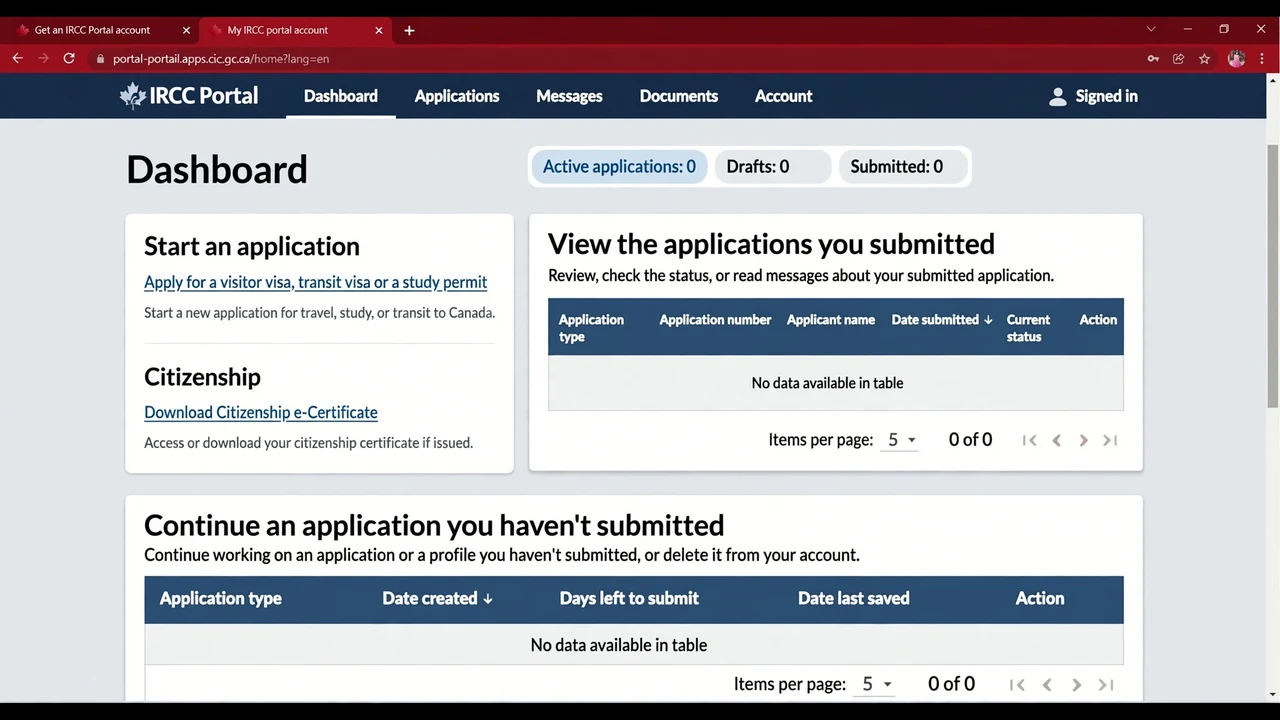
C11 is LMIA-exempt, but the process still involves specific employer compliance requirements. IRCC instructions generally require submitting an offer-of-employment number through the Employer Portal and paying the applicable employer compliance fee, subject to the relevant procedures.
Ansari Immigration Law can help applicants review their business proposal and supporting records to identify missing evidence before submission.
A practical application process involves six stages.
C11 work permits are intended for temporary stays. Current operational guidance generally sets an initial duration of up to 18 months, subject to the circumstances and applicable requirements. Extensions are not automatic. Applicants must demonstrate continuing significant benefit and satisfy temporary-residence requirements.
The C11 work permit is a temporary work authorisation, not a direct permanent residence program. Eligible entrepreneurs may later consider a Provincial Nominee Program (PNP) entrepreneur stream or another immigration category for which they qualify.
Provincial entrepreneur programs have their own requirements for business performance, investment, residence, and job creation. Meeting C11 requirements does not guarantee nomination or permanent residence. Review the Provincial Entrepreneur Programs in Canada to understand how provincial routes differ.
Also check the latest availability of other business immigration programs. As of October 2026, IRCC’s Start-Up Visa Program is paused for new applications. Applicants should not assume it is available as an alternative without checking the current government instructions.
C11 business-owner work experience also does not count toward the minimum work-experience requirement for the Canadian Experience Class (CEC), according to current IRCC operational instructions. For a broader comparison of immigration options, read Choosing the Right Canadian Immigration Program for You.
Applications may be refused when the evidence does not establish eligibility or show a credible benefit to Canada. Common problems include:
Before applying, check that your business plan, financial records, professional history, and application forms support the same proposal. Genuine preparation and clear evidence help officers assess the case, although no application strategy can guarantee approval.
C11 remains an LMIA-exempt category for eligible business owners under paragraph 205(a). Applicants must meet the current eligibility requirements, demonstrate significant benefit to Canada, and satisfy the applicable work permit conditions.
No universal statutory investment minimum applies under paragraph 205(a). Your proposed capital should reflect the actual requirements of the business, and you must provide credible evidence of business funding and separate personal support funds.
Potentially, but the C11 permit does not automatically lead to permanent residence. You must qualify separately under an available pathway, such as an eligible provincial entrepreneur stream. The requirements depend on the program and your circumstances.
Ansari Immigration Law can help you understand applicable work permit requirements, assess your business proposal, and organise supporting documentation. A case-specific review can identify evidence gaps and clarify potential immigration options, but the relevant authorities ultimately decide approval.
Your business plan, available capital, management experience, and evidence of significant benefit all influence how your C11 application is assessed. Preparing these elements before submission can help you identify gaps and explain your proposed contribution to Canada.
Contact Ansari Immigration Law to discuss your business goals, review the requirements relevant to your circumstances, and plan your next steps with a clearer understanding of the application process.