Trusted Canadian Immigration Lawyers
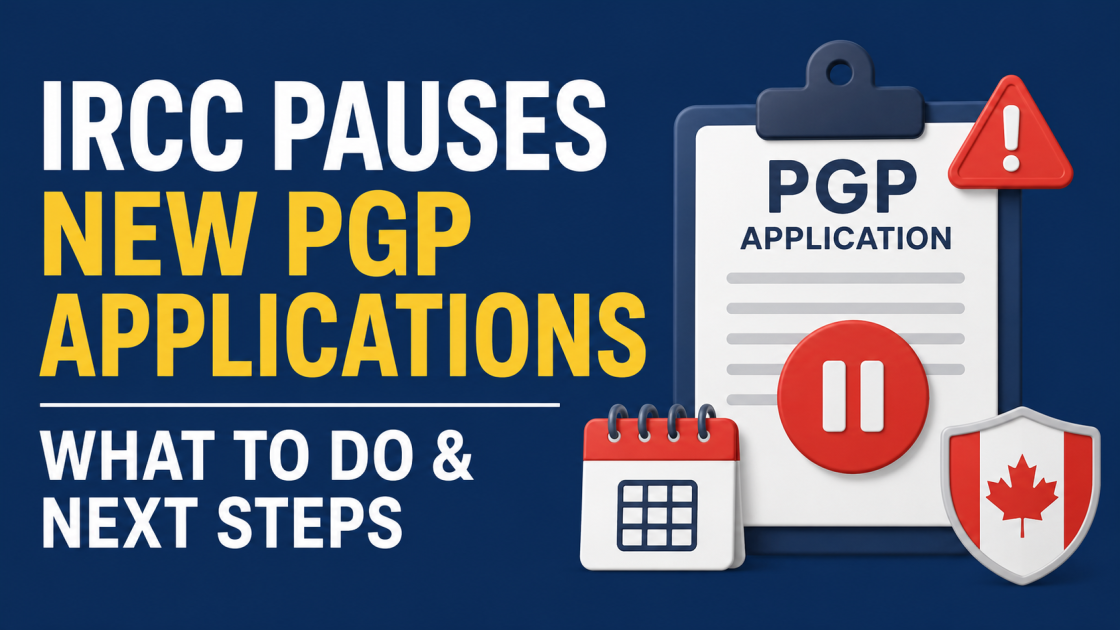
On July 15, 2026, Immigration, Refugees and Citizenship Canada (IRCC) officially paused new applications for the Parents and Grandparents Program (PGP).
For Canadian citizens and permanent residents planning to sponsor family members, this announcement brings immediate uncertainty. While the pause affects new submissions, IRCC will continue processing existing files, with plans to approve up to 15,000 permanent residence applications this year.
If you are wondering what this shift means for your family, this guide breaks down the changes in plain language. Additionally, explores practical alternative pathways, such as the Super Visa, to help you navigate your next steps.
IRCC will no longer accept interest to sponsor forms or send invitations to apply under the Parents and Grandparents Program, known as PGP, until further notice. The pause took effect from the date of the announcement.
Applications already in the system will keep being processed. IRCC plans to approve up to 15,000 people for permanent residence (PR) through PGP in 2026, in line with the 2026 to 2028 immigration levels plan, with the stated aim of reducing processing times and improving predictability for families already in the queue.
Effective July 15, 2026, Immigration, Refugees and Citizenship Canada (IRCC) has paused the new intake for the Parents and Grandparents Program (PGP) until further notice. Under this update:
IRCC stated the temporary intake pause aims to clear current backlogs, shorten wait times, and provide greater predictability for families who already have pending files in the system.
The Parents and Grandparents Program (PGP) intake pause only applies to permanent residency applications. Parents and grandparents seeking temporary visitation are entirely unaffected and have immediate alternatives available:
The pause comes down to a persistent imbalance between massive demand and limited annual spots. IRCC implemented the temporary hold to achieve three main operational goals:
With no confirmed reopening date for new Interest to Sponsor submissions, families planning to bring parents or grandparents to Canada should prepare for extended delays. While IRCC focuses on clearing the existing pipeline, potential sponsors can take these proactive steps:
The PGP intake pause does not mean family reunification is on hold. Depending on your family’s goals and qualifications, several alternative immigration and visitor pathways remain open:
Next Step! Because each pathway carries distinct financial, medical, and eligibility thresholds, getting an assessment from a regulated immigration consultant or lawyer is recommended before applying.
Navigating sudden IRCC policy changes requires trusted legal expertise. At Ansari Immigration Law, founder and lead attorney Yameena Ansari and her team help families cut through uncertainty to build actionable pathways to Canada. From pivoting to Super Visas and exploring economic streams to optimizing pending applications, our team delivers strategic document preparation and dedicated appeal representation.
Yes! IRCC confirms applications submitted before the pause will keep being processed. Up to 15,000 approvals are planned for 2026 under the current Immigration Levels Plan, so existing files are not affected.
No! The pause only applies to new interests to sponsor forms and invitations to apply. Permanent residence applications already submitted continue through IRCC’s normal processing steps.
Yes! The super visa allows parents and grandparents to visit for up to five years per stay. Spousal sponsorship, study permits, work permits, Express Entry and Provincial Nominee Programs may also apply depending on individual circumstances.
This depends on individual goals and eligibility. Some families benefit from the super visa in the short term, while others may qualify for a different permanent pathway. A qualified immigration lawyer can help assess which option fits best.
The temporary pause on new Parents and Grandparents Program (PGP) applications marks a shift in Canadian family sponsorship, but family reunification remains entirely achievable. While IRCC focuses on processing existing files to meet its 2026 target of 15,000 approvals, prospective sponsors are encouraged to explore immediate alternative options.
Pathways such as the Super Visa offer robust long-term stay flexibility, alongside economic streams and temporary work or study permits. Staying proactive, organising essential financial and identity documents, and seeking regulated legal guidance will ensure families remain fully prepared when new intake windows reopen.
Taking strategic action now minimises delays and helps secure the best pathway for bringing your loved ones to Canada.