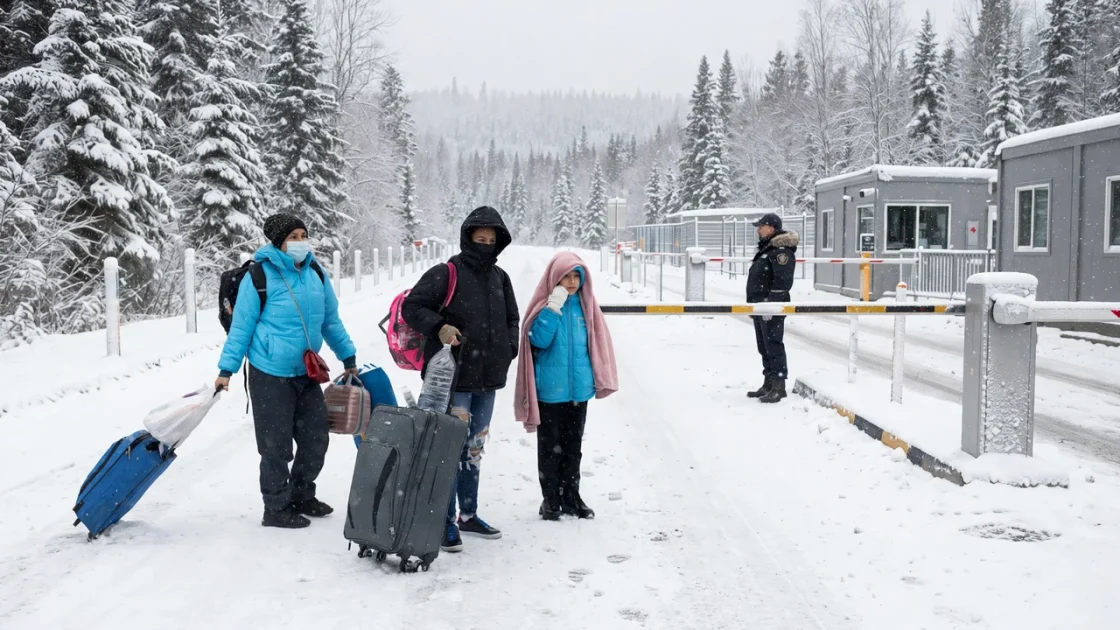
Canada to Launch New Asylum Claim Process on November 3
Canada will introduce a revised online asylum claim process on November 3, 2026. The update affects applications submitted through the Immigration, Refugees and Citizenship Canada (IRCC) Portal, with the exact steps depending on the status of each claim. The current system’s cutoff is 11:59 p.m. Eastern Time on November 2.
Applicants who submit their claims before the transition generally will not need to provide extra information unless IRCC requests it. Those with unfinished applications may need to answer new questions and review their previous responses. Some people making claims at the border will also need to complete additional steps in the Portal.
Ansari Immigration Law helps individuals understand Canadian refugee procedures and prepare their claims. Knowing what changes under the new process can help you identify the steps required for your application.
What Is Changing in Canada’s Asylum Claim Process
IRCC is updating its online process for people claiming asylum from within Canada and those making claims at a Canadian border who must complete their application online. The main change concerns unfinished applications. People who have started a claim but have not submitted it must follow the updated process and review their information before completing the application. The impact depends on your situation:
- Inland Claims: Unsubmitted applications will require new questions and a review of previous answers.
- Border Claims: Applicants whose claims are not linked to a Portal account must link them and re-enter their personal and family details.
- Submitted Claims: Applications submitted before the transition are generally unaffected by the update.
Starting an application does not mean it has been submitted. Check your actual claim status before deciding what to do next.
How the New Process Affects Different Claimants
Claims Started from Within Canada
If you began your asylum claim online but have not submitted it, you will need to answer the new questions and review the responses already entered. Check every detail before submitting, particularly information about your identity, family and reasons for seeking protection.
If you submitted your claim before the transition, you generally do not need to provide additional information because of the new process. IRCC may still contact you to request specific details or documents.
Claims Made at a Canadian Border
People who make an asylum claim at a Canadian port of entry may need to complete their application through the IRCC Portal. Their next steps depend on whether they have linked the claim and submitted the application.
|
Claim Status |
Required Action |
|
Claim Not Linked to a Portal Account |
Link the claim and re-enter personal and family details. |
|
Claim Linked But Not Submitted |
Answer the new questions and review previous responses. |
|
Claim Submitted |
No additional information is required because of the transition unless IRCC requests it. |
If you have already provided information to a border officer, do not assume that this automatically completes the online application. Follow the instructions given for your claim and check which steps remain outstanding.
Why Your Submission Status Matters
The updated process does not automatically approve an asylum claim or change the legal requirements for protection. It changes how certain applications must be completed. Your application should accurately explain your circumstances and the risks you believe you would face if returned to your home country. Inconsistent answers or missing information may raise questions when your claim is assessed.
What Should You Do Before Submitting Your Claim
Whether you are applying from within Canada or completing a border claim, prepare your information carefully.
- Check Your Application Status: Confirm whether your claim is submitted or still in progress.
- Review Your Personal Information: Check names, dates, family details and other entries for accuracy.
- Organise Supporting Documents: Keep relevant identification, family records and evidence of the risks you face accessible.
- Check Your Answers for Consistency: Your application should match your personal history and supporting evidence.
- Read the New Questions Carefully: Answer each question truthfully and provide the information requested.
- Keep a Record of Submission: Save your available confirmation and copies of the information submitted.
Do not guess or invent details to complete a form. If you are uncertain about a question or how to explain an event, seek appropriate legal guidance before submitting your claim.
|
For support with the application process, review the available refugee and asylum services, which include help with claim preparation, IRCC communication and refugee hearing preparation. Contact your legal adviser today to support under Canadian laws. |
Does the Update Change Asylum Eligibility
The new online process does not replace the legal test for refugee protection. Applicants must still demonstrate that they meet the applicable requirements under Canadian immigration and refugee law.
A person may qualify as a Convention refugee if they have a well-founded fear of persecution based on grounds such as race, religion, nationality, political opinion or membership in a particular social group. A person may also qualify for protection if returning to their country would expose them to risks such as torture, a risk to life or cruel and unusual treatment.
The authorities assess whether a claim is eligible for referral to the Immigration and Refugee Board of Canada (IRB). If the claim is referred, the IRB considers the evidence and decides whether the person qualifies for protection.
A refused claim or a finding of ineligibility does not mean that every further option is automatically available. Depending on the circumstances, a person may be able to seek a pre-removal risk assessment (PRRA) or pursue another available legal process.
Read More: Claiming asylum in Canada as an American to understand how Canadian refugee protection requirements apply to individual cases.
Frequently Ask Questions
When does Canada's new online asylum claim process begin?
The updated IRCC Portal process begins on November 3, 2026. The steps required depend on whether your claim is submitted, unfinished or waiting to be linked to an online account.
Can Ansari Immigration Law help with an asylum claim?
Yes! Ansari Immigration Law provides support with asylum applications, supporting documents, IRCC communication and refugee hearing preparation. The appropriate assistance depends on your claim status and circumstances.
What happens if my asylum claim is unfinished?
You will need to follow the updated process, answer the new questions and review your existing responses before submitting your claim. Border claimants whose applications are not linked to a Portal account must also re-enter their personal and family details.
Will I need to submit my asylum claim again if it is already submitted?
No! A claim submitted before the transition is generally unaffected by the change. You do not need to provide additional information because of the update unless IRCC specifically requests it.
Get Legal Guidance for Your Asylum Claim
An asylum claim requires careful attention to application details, supporting documents and procedural requirements. Errors or unanswered questions can create uncertainty about what to do next, particularly when you are submitting information online or responding to a request related to your case. Understanding your responsibilities at each stage can help you make informed decisions.
Ansari Immigration Law provides legal support to individuals navigating complex immigration matters. Depending on your circumstances, legal representation and appeals may be relevant when you need advice about your available options, procedural concerns or a decision affecting your immigration status. The right approach depends on the details and current stage of your case.
Legal Disclaimer
This article is provided for general informational and educational purposes only. It does not constitute legal advice, establish a lawyer-client relationship or replace an individual assessment of your circumstances. Immigration and refugee procedures may change, and eligibility depends on the facts of each case. You should seek advice from a qualified Canadian immigration lawyer about your specific situation before making legal decisions or submitting an asylum claim.