Trusted Canadian Immigration Lawyers
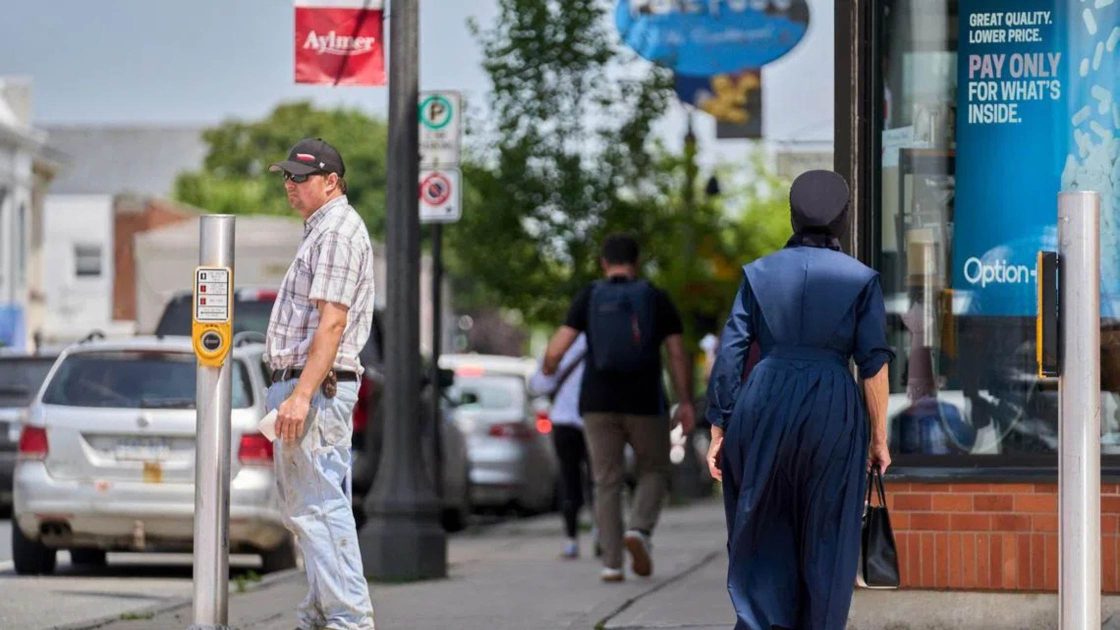
The Rural Community Immigration Pilot (RCIP) is a permanent residence pathway that helps skilled foreign workers move to Canada while addressing labour shortages in rural and developing communities. The program connects international talent with employers in smaller communities that need workers to support local economic growth.
To apply through the RCIP, candidates must secure a valid job offer from an employer located in one of the 14 participating communities. Applicants must also obtain an endorsement from a local economic development organization that works with Immigration, Refugees and Citizenship Canada (IRCC) to support the program.
To qualify for the Rural Community Immigration Pilot (RCIP), applicants must obtain a full-time, permanent job offer from a designated employer in one of the participating communities. The program targets skilled workers who are willing to live and work in rural Canada.
Note: Candidates who graduated from an eligible program within the same participating community may be exempt from the work experience requirement if they meet all other conditions.
|
Job TEER Level |
Acceptable Work Experience |
|
TEER 0 or 1 |
Work experience can be in TEER 0, 1, 2, or 3. |
|
TEER 2 |
Work experience can be in TEER 1, 2, 3, or 4. |
|
TEER 3 or 4 |
Work experience can be in TEER 2, 3, or 4. |
|
TEER 5 |
Work experience must match the same 5-digit NOC code as the job offer. |
|
Exception –Healthcare |
If your experience is in NOC 31301 (TEER 1), you may qualify for a job offer in: |
The RCIP education requirements vary based on where you studied. If you studied in Canada, you need a high school diploma or a recognized post-secondary credential from a Designated Learning Institution (DLI). For education abroad, a valid Educational Credential Assessment (ECA) is required.
You must have a valid Canadian credential, which can be a high school diploma or a recognized post-secondary certificate, diploma, or degree from a Designated Learning Institution (DLI). This ensures your education meets the requirements for the RCIP.
You must provide a valid Educational Credential Assessment (ECA) from a designated organization or professional body. The ECA must be issued within the last five years and confirm that your foreign credential is equivalent to a Canadian high school diploma or a recognized post-secondary credential.
Each additional family member (over 7): Add $1,869 per person
|
No. of Family Members |
Required Settlement Funds (CAD) |
|
1 |
$7,963 |
|
2 |
$9,692 |
|
3 |
$12,069 |
|
4 |
$15,056 |
|
5 |
$17,145 |
|
6 |
$19,015 |
|
7 |
$20,884 |
Note: These funds demonstrate that you have enough money to support yourself and your family upon arriving in Canada under the RCIP.
You may be exempt from the standard work experience requirement if you are an international graduate from a public post-secondary institution in the participating community and meet specific criteria:
You completed a program lasting two years or longer, studied full-time throughout, received your credential within 18 months of applying for permanent residence, and lived in the community for at least 16 of the last 24 months while studying.
You completed a master’s degree or higher in two years or less, studied full-time for the entire program, received your degree within 18 months of applying, and were present in the community for the full duration of your studies.
This exemption does not apply if more than half of your program focused on English or French language training, was completed through distance learning, or required a scholarship or fellowship obligating you to return to your home country.
An eligible credential is a degree, diploma, certificate, trade, or apprenticeship obtained from a publicly funded Canadian post-secondary institution located within the recommending community.
|
Community Name |
Province / Territory |
|
Pictou County |
Nova Scotia |
|
North Bay |
Ontario |
|
Sudbury |
Ontario |
|
Timmins |
Ontario |
|
Sault Ste. Marie |
Ontario |
|
Thunder Bay |
Ontario |
|
Steinbach |
Manitoba |
|
Altona/Rhineland |
Manitoba |
|
Brandon |
Manitoba |
|
Moose Jaw |
Saskatchewan |
|
Claresholm |
Alberta |
|
West Kootenay |
British Columbia |
|
North Okanagan Shuswap |
British Columbia |
|
Peace Liard |
British Columbia |
Note: These 14 communities across Canada are designated participants in the RCIP, offering permanent residence pathways for skilled foreign workers in rural areas. We will update this page as additional details are released.
Brandon has identified specific sectors and occupations eligible under the Rural Community Immigration Pilot (RCIP). Each occupation also has a minimum language requirement based on the Canadian Language Benchmark (CLB).
|
Sector |
Occupation |
NOC Code |
Minimum CLB |
|
Education, Law & Social, Community & Government Services |
Early childhood educators and assistants |
42202 |
5 |
|
Health |
Dentists |
31110 |
6 |
|
General practitioners and family physicians |
31102 |
6 |
|
|
Licensed practical nurses |
32101 |
5 |
|
|
Nurse aides, orderlies, and patient service associates |
33102 |
5 |
|
|
Registered nurses and registered psychiatric nurses |
31301 |
6 |
|
|
Specialists in clinical and laboratory medicine |
31100 |
6 |
|
|
Specialists in surgery |
31101 |
6 |
|
|
Manufacturing & Utilities |
Industrial butchers and meat cutters, poultry preparers, and related workers |
94141 |
4 |
|
Natural & Applied Science |
Civil engineering technologists and technicians |
22300 |
5 |
|
Civil engineers |
21300 |
6 |
|
|
Industrial and manufacturing engineers |
21321 |
6 |
|
|
Mechanical engineering technologists and technicians |
22301 |
5 |
|
|
Mechanical engineers |
21301 |
6 |
|
|
User support technicians |
22221 |
5 |
|
|
Trade & Transport |
Automotive service technicians, truck and bus mechanics, and mechanical repairers |
72410 |
5 |
|
Carpenters |
72310 |
5 |
|
|
Concrete finishers |
73100 |
5 |
|
|
Construction millwrights and industrial mechanics |
72400 |
5 |
|
|
Construction trades helpers and labourers |
75110 |
4 |
|
|
Heating, refrigeration, and air conditioning mechanics |
72402 |
5 |
|
|
Heavy-duty equipment mechanics |
72401 |
5 |
|
|
Painters and decorators (except interior decorators) |
73112 |
5 |
|
|
Plumbers |
72300 |
5 |
|
|
Welders and related machine operators |
72106 |
5 |
Obtain a full-time, permanent job offer from a designated employer in one of the participating communities. Check the community’s official website for a list of eligible employers.
Your employer will submit a recommendation application on your behalf. The community will confirm that:
If recommended, you can apply for permanent residence through the online PR Portal. Gather all required forms and documents using the checklist provided. Make sure:
Submit your application fee online (starting from $1,525) and include the payment receipt with your documents.
Upload all signed forms and supporting documents through the portal. Incomplete applications will be rejected and must be corrected before resubmission.
Once approved, IRCC will contact you with the next steps to finalize your permanent residence.
Ansari Law Immigration is a trusted Canadian immigration law firm with extensive experience helping clients navigate the complexities of immigrating to Canada. Our team of skilled immigration lawyers, paralegals, and professionals is committed to providing personalized guidance for all Canadian immigration pathways.
Our online portal serves as a comprehensive resource for individuals seeking to move to Canada. Whether you are applying through Express Entry, skilled worker programs, or other immigration streams, the first step is to complete a free eligibility assessment. If you qualify, a member of the Ansari Law Immigration team will contact you to provide guidance, answer your questions, and support you throughout the application process.
To qualify, applicants must have a full-time, permanent job offer from a designated employer in a participating community, meet work experience requirements (typically one year), demonstrate language proficiency (CLB 4–6), hold at least a high school diploma or equivalent, and show sufficient settlement funds.
Applicants need a valid job offer, proof of work experience, educational credentials or ECA (for foreign education), language test results, and evidence of sufficient settlement funds. Completing all forms accurately and submitting signed documents is essential.
Ansari Law Immigration provides expert guidance for skilled workers applying through RCIP. Their team of immigration lawyers and professionals helps assess eligibility, review documents, and support applicants throughout the permanent residence application process.
Graduates of eligible programs from a public post-secondary institution in a participating community may be exempt if they completed a two-year or longer program or a master’s degree under specific conditions, including living in the community for a required period.
After securing a community recommendation, applicants submit their permanent residence application online via the PR Portal, pay the required fees, and upload all signed forms and supporting documents. Incomplete applications must be corrected before IRCC review.
The Rural Community Immigration Pilot (RCIP) offers skilled workers a unique opportunity to gain permanent residence in Canada while supporting labour needs in rural and developing communities. Eligibility requires a full-time, permanent job offer from a designated employer, relevant work experience, and meeting language, education, and settlement fund requirements.
Applicants must also obtain a community recommendation from an economic development organization in the participating community, ensuring that both the job offer and the candidate meet the pilot’s criteria. International graduates from eligible programs may qualify for exemptions under certain conditions, making this pathway accessible for a broader range of skilled workers.
Working with a trusted immigration lawyer can simplify the RCIP process. From assessing eligibility to preparing and submitting your application, professional guidance ensures your application is accurate, complete, and increases your chances of a successful permanent residence outcome.